Every child has unique strengths, interests, and learning needs. As parents, we want our children to feel confident, develop good habits, and enjoy learning. However, children sometimes struggle with schoolwork, fear making mistakes, or lose motivation when faced with challenges.
Positive parenting offers a supportive approach to raising children through encouragement, communication, patience, and consistent guidance. Instead of focusing only on results, it helps parents nurture emotional well-being, independence, and a lifelong love of learning.
Here are seven practical ways to build your child’s confidence and learning habits.
1. Encourage Effort, Not Just Results
Children need to understand that learning is a process. Instead of praising only high marks or correct answers, appreciate their effort, persistence, and willingness to try.
For example, say, “You worked hard to solve that problem!” rather than focusing only on the final score. This encourages children to keep trying when something feels difficult.
2. Create a Consistent Learning Routine
A predictable daily routine helps children develop discipline and manage their time. Set aside a regular time for homework, reading, creative activities, and play.
Keep the schedule flexible enough to accommodate your child’s age and energy levels. Short, focused learning sessions with breaks can make studying more manageable and enjoyable.
3. Build Confidence Through Small Achievements
Large tasks can sometimes overwhelm children. Break challenging activities into smaller, achievable steps and celebrate progress along the way.
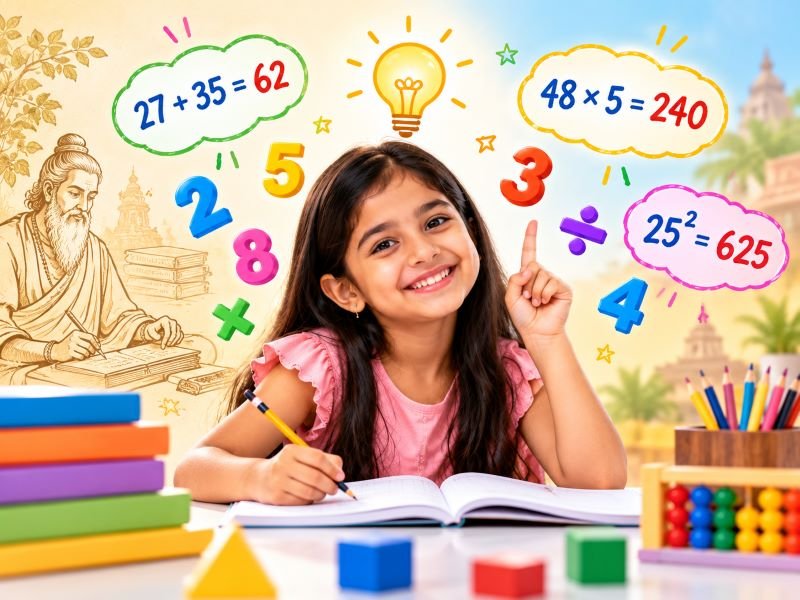
If your child finds mathematics difficult, begin with simple calculations before moving to more complex problems. Each small achievement can encourage them to attempt the next challenge with greater confidence.
4. Listen to Your Child Without Judgement
Open communication helps children feel valued and understood. Give your child opportunities to talk about school, friendships, fears, and personal interests.
Listen patiently without immediately criticising or offering solutions. Ask questions such as, “What did you find difficult today?” or “How can I help you?”
When children feel safe expressing themselves, they may become more comfortable asking questions and seeking support when needed.
5. Make Learning Fun and Interactive
Learning does not have to happen only through textbooks. Educational games, puzzles, storytelling, drawing, and practical activities can make new concepts easier to explore.
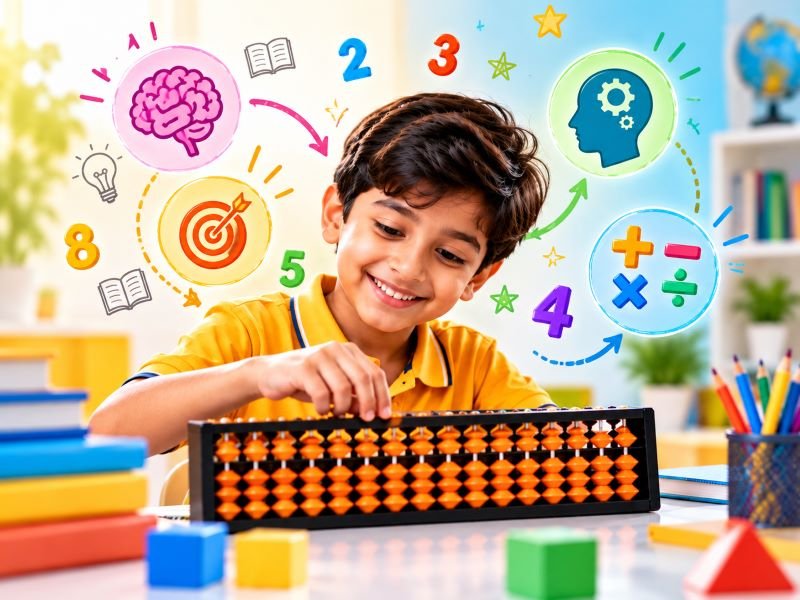
Activities such as Abacus and Vedic Mathematics can provide additional opportunities to practise number skills through engaging exercises. Choose activities that match your child’s interests and abilities rather than adding unnecessary pressure.
6. Teach Children to Learn from Mistakes
Mistakes are a natural part of learning. Avoid shaming children when they answer incorrectly or struggle with a task.
Instead, help them understand what went wrong and how they can improve. Explain that making mistakes provides useful information about what to practise next.
This approach encourages resilience, problem-solving, and a willingness to try unfamiliar tasks.
7. Be a Positive Role Model
Children often learn habits by observing their parents. Demonstrate patience, curiosity, kindness, and responsibility in everyday situations.
Read books, learn new skills, manage your responsibilities, and speak positively about overcoming challenges. You can also spend time learning together as a family.
Remember that children do not need perfect parents. They benefit from adults who model healthy habits, acknowledge mistakes, and continue learning themselves.
Conclusion
Positive parenting helps children develop confidence, independence, and healthier learning habits through everyday interactions. By encouraging effort, creating routines, listening carefully, and making learning enjoyable, parents can build a supportive environment for their child’s development.
Every child progresses at a different pace. With patience, consistent guidance, and realistic expectations, parents can help children discover their strengths and approach new challenges with greater confidence.